Caring for someone living with dementia can fill every hour of the day, and advice to "take care of yourself" can feel out of reach. New research suggests that self-care does not have to mean a weekend away. In a small study published in September 2026, family caregivers reported lower stress and a better mood on days they did a brief positive activity, such as savoring a quiet moment or writing down something they were grateful for. The findings are early, but they point to something practical: small moments can still make a difference.
What the study found
Researchers at the University of Michigan followed 20 family caregivers of people living with dementia for 14 days. Caregivers used a smartphone app called Roadmap, which offered short positive activities, and answered a brief survey each night. They did at least one activity on about 87 percent of days. On those days, caregivers reported fewer symptoms of depression, saw caregiving as less stressful, and had a more positive mood than on days without an activity. The study, published in Frontiers in Dementia, was small and short, so the authors describe the results as preliminary and call for a larger trial.
What counts as a small positive activity
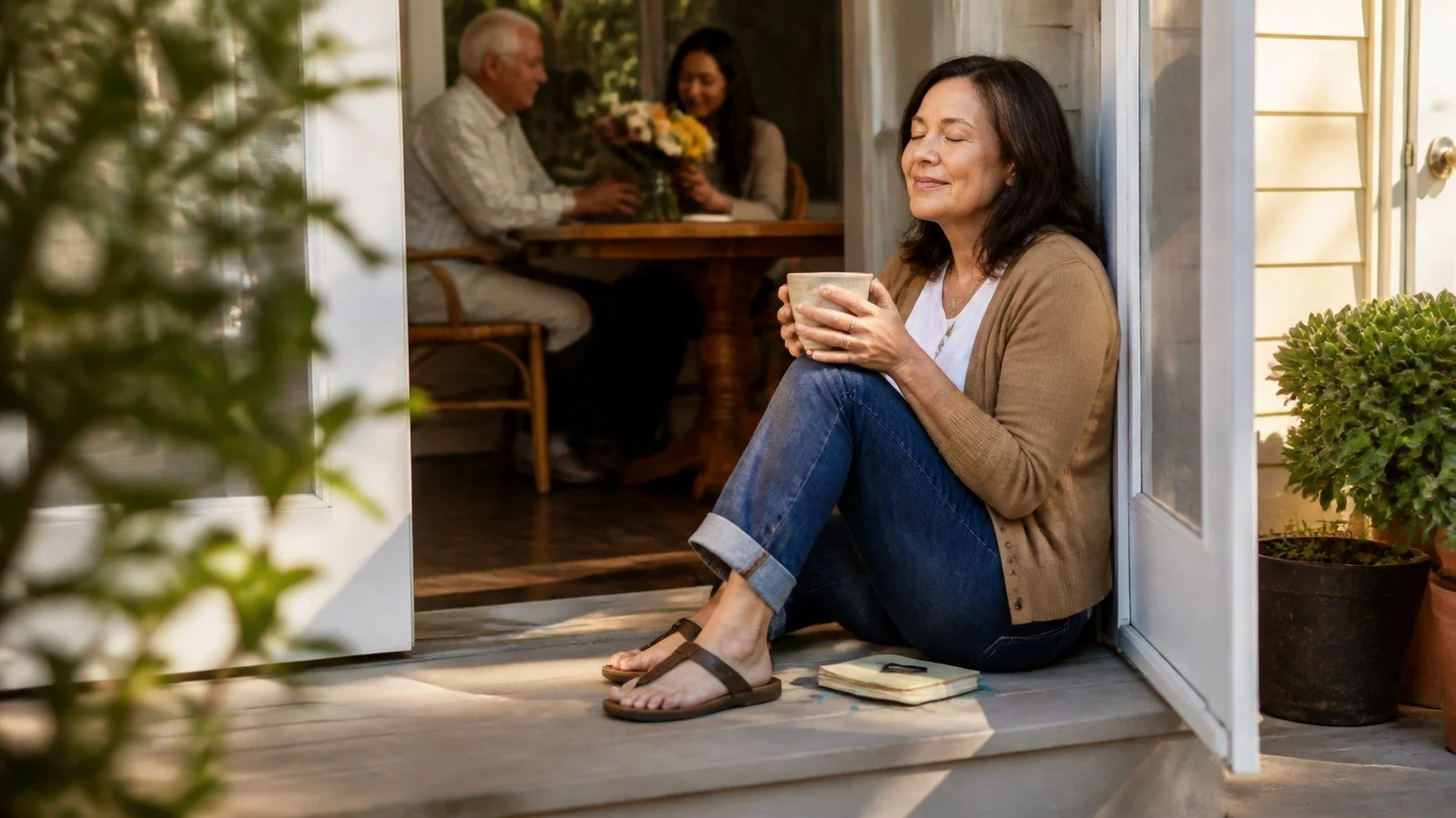
The activities in the study were simple and took only a few minutes. They included savoring a pleasant moment, keeping a gratitude journal, planning something enjoyable, noticing beauty in nature or art, and doing a small act of kindness for someone else. None of them require special equipment, and most can happen at home, even with a loved one nearby.
How to fit small moments into a caregiving day
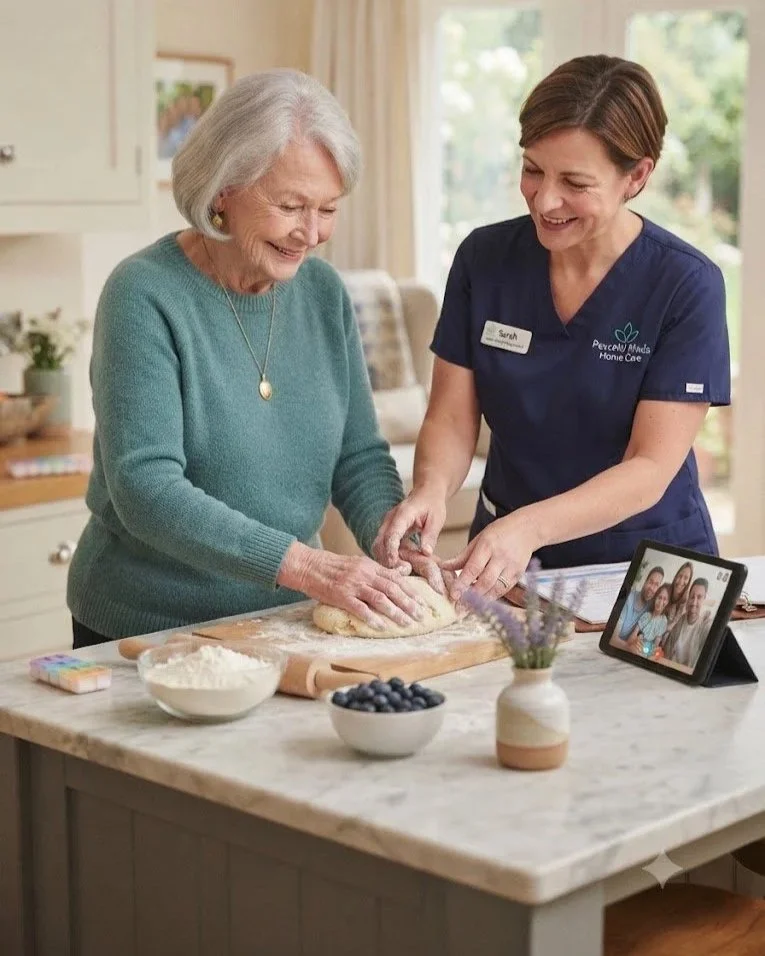
The goal is to make the activity small enough that it actually happens. Some caregivers tie it to something they already do, such as noticing three good things while the morning coffee brews or stepping outside for a few minutes after lunch. Others write one line in a notebook before bed. It can also help to choose activities you can share with the person you care for, like listening to a favorite song together, looking through old photos, or arranging flowers. On hard days, a single moment still counts.
When small moments are not enough
Brief positive activities can help, but they do not replace rest, practical support, or medical care. If you feel hopeless or exhausted most of the time, are pulling away from people you care about, or notice changes in your sleep or health, talk with your doctor. Ongoing sadness or anxiety can be signs of depression, which is treatable. To find caregiver support in California, including respite and counseling, visit the California Department of Aging's caregiver resources page or call 800-510-2020.
How Get Care at Home can help
Sometimes the most useful support is a few predictable hours when someone else is there. Get Care at Home provides non-medical in-home care, including respite and dementia support, for families in Citrus Heights, Fair Oaks and across the Greater Sacramento area. Our caregivers help with companionship and daily routines so family caregivers can rest, run errands, or simply have time for themselves. Non-medical care does not replace medical evaluation or treatment, but it can make everyday life more manageable. Learn more about our home care services, or read about dementia behaviors that may mean it is time to get help at home.
If you are wondering whether a little regular help could make your days more manageable, we invite you to schedule a free care assessment.