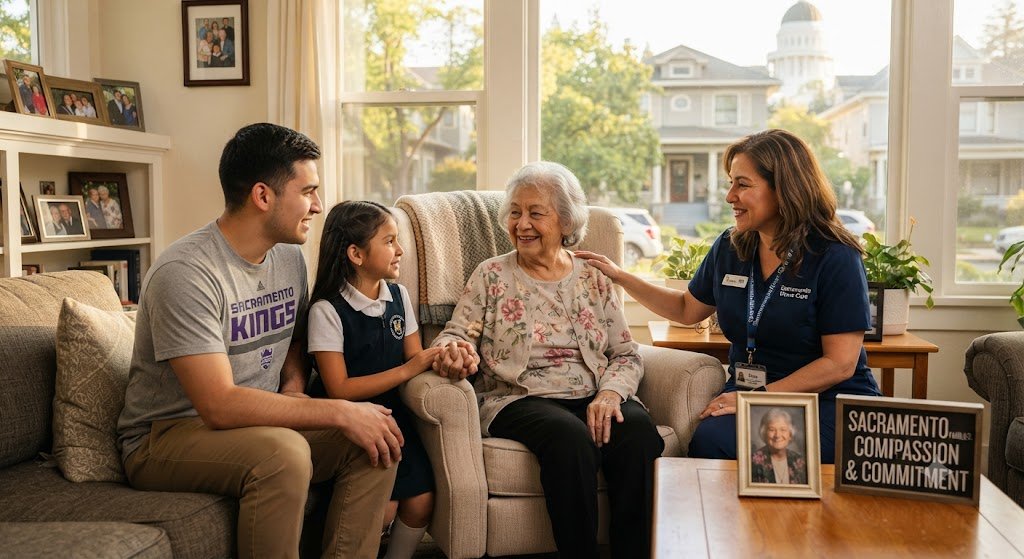
Dementia Behaviors That May Mean It Is Time to Get Help at Home

The surprising answer is this: dementia behaviors are often not the real problem. They are the message.

Wandering, refusing care, sundowning, unsafe cooking, missed meals, poor hygiene, and nighttime restlessness may be signs that your loved one is confused, afraid, uncomfortable, overstimulated, in pain, or no longer able to safely manage daily routines.

A behavior becomes a care concern when it starts affecting:

  • Safety

  • Hygiene

  • Nutrition

  • Sleep

  • Medication routines

  • Family caregiver health

  • The ability to stay home safely

The real question is not:

“Why are they acting like this?”

The better question is:

“What is this behavior telling us, and is the family still able to manage it safely?”

Getting help early can prevent a crisis. You do not have to wait for a fall, a wandering incident, or caregiver burnout before asking for support.

Start With What the Behavior Is Trying to Tell You

Families often wait too long to get help because they think they should be able to handle it.

They tell themselves:

“They are just being difficult.”

“I should be more patient.”

“It is not bad enough yet.”

“We promised we would keep them home.”

But dementia behaviors are not simply “bad behavior.” They are often signs of confusion, fear, discomfort, pain, overstimulation, boredom, fatigue, or unmet needs.

A person living with dementia may not be able to clearly say:

“I am scared.”

“I am tired.”

“I am in pain.”

“I do not understand what you want me to do.”

“This room is too loud.”

“I do not recognize you right now.”

So the distress may show up as pacing, refusing care, yelling, asking to go home, wandering, repeating questions, hiding items, or becoming upset at the same time each day.

The National Institute on Aging explains that people with Alzheimer’s disease may become agitated or aggressive as the disease progresses, and agitation can include restlessness, worry, pacing, sleep problems, or verbal and physical aggression. When these symptoms worsen in the late afternoon or evening, it is often called sundowning. (nia.nih.gov)

That matters because the behavior is often communication. And once behaviors begin affecting safety, hygiene, nutrition, sleep, or caregiver health, it may be time to get help at home.

Behavior 1: Wandering or Leaving Home

Wandering is one of the clearest signs that more support may be needed.

A person with dementia may:

  • Try to go outside alone

  • Say they need to “go home”

  • Walk with no clear purpose

  • Get lost in familiar places

  • Try to leave for work, church, school, or an old home

  • Leave the house at night

  • Become upset when stopped from leaving

Wandering can happen even when the person is still physically strong and mobile. That is part of what makes it dangerous.

The Alzheimer’s Association states that wandering can happen at any stage of dementia and that a person may become lost or confused about their location. (alz.org)

If your loved one is trying to leave the house alone, getting lost, or becoming confused about where they are, this is not something to “wait and see” on for too long.

It is a safety concern.

Home care may help by adding supervision during the times wandering is most likely to happen. It may also help families create a calmer routine, reduce triggers, and watch for early signs of restlessness before the person reaches the door.

Behavior 2: Sundowning or Late-Day Agitation

Sundowning can be one of the hardest dementia behaviors for families to manage. It often shows up in the late afternoon or evening, just when the family caregiver is already tired.

Your loved one may become:

  • Restless

  • Suspicious

  • Anxious

  • Angry

  • Tearful

  • Confused

  • Harder to redirect

  • More likely to pace

  • More likely to ask to go home

  • More likely to resist care

Many family caregivers begin to dread the same time every day. That dread is information.

If the same time of day keeps falling apart, your family may need more structure during that window.

Evening home care can help create a calmer routine around meals, bathing, toileting, changing clothes, medication reminders, and settling into the evening. This does not mean every difficult evening requires outside help.

But if late-day confusion is becoming predictable, exhausting, or unsafe, it is worth getting support before it becomes a nightly crisis.

Behavior 3: Refusing Care

Refusing care is common in dementia.

Your loved one may refuse:

  • Bathing

  • Clothing changes

  • Meals

  • Medication reminders

  • Toileting help

  • Help from family

  • A doctor’s appointment

  • A needed change in routine

This can feel personal. It usually is not.

The person may not understand what is happening. They may feel embarrassed. They may be afraid of the shower. They may not recognize the family member trying to help. They may think they already bathed. They may feel rushed, exposed, or controlled.

A trained caregiver may be able to approach care differently. Sometimes a person refuses help from a spouse or adult child but accepts help from someone outside the family. That does not mean the family did anything wrong.

It may simply mean the relationship dynamic has become too emotionally loaded. Home care can help create a calmer approach to personal care, especially when bathing, dressing, hygiene, or meals have become a frequent battle.

Behavior 4: Unsafe Cooking or Household Tasks

Unsafe household activity is another sign that help may be needed.

This may include:

  • Leaving the stove on

  • Burning food

  • Eating spoiled food

  • Forgetting appliances

  • Microwaving unsafe items

  • Mixing up household products

  • Leaving water running

  • Using tools unsafely

  • Forgetting whether something has already been done

These situations can become serious quickly. The issue is not only memory loss. It is judgment, sequencing, attention, and safety awareness.

A person may still look capable. They may still insist they can cook, clean, or manage the home. But dementia can affect the ability to complete familiar tasks safely.

If you are unplugging appliances, hiding knobs, throwing away spoiled food, or worrying every time your loved one is alone in the kitchen, it may be time for supervision.

Home care can help with meals, light housekeeping, safety monitoring, and routine. More importantly, it can reduce the chance that a small mistake becomes an emergency.

Behavior 5: Falls or Mobility Concerns

Falls can quickly change the entire care situation. A person living with dementia may forget to use a walker. They may stand too quickly. They may get up at night without turning on lights. They may not recognize their physical limits.

Warning signs include:

  • Increased stumbling

  • Holding onto furniture

  • Getting up at night unsafely

  • Forgetting mobility devices

  • Trouble getting in and out of chairs

  • Trouble with stairs

  • Recent falls or near falls

  • Refusing help with transfers

  • Poor judgment about what is safe

A fall can lead to hospitalization, surgery, rehab, fear, loss of mobility, or a sudden need for more care.

This is why falls should not be brushed off as “just part of aging.”

The National Institute on Aging notes that wandering prevention can include safety steps like keeping doors locked, using signs on doors, and installing alarms or smart doorbells. These same types of practical home safety steps often become part of a broader dementia safety plan. (nia.nih.gov)

If mobility concerns are increasing, home care may help with supervision, reminders to use mobility devices, safer routines, and support during higher-risk times such as bathing, toileting, and nighttime walking.

Behavior 6: Poor Eating, Drinking, or Hygiene

Changes in nutrition and hygiene are often signs that more structure is needed.

You may notice:

  • Missed meals

  • Weight loss

  • Dehydration

  • Spoiled food in the refrigerator

  • Wearing the same clothes repeatedly

  • Skipping bathing

  • Body odor

  • Poor oral care

  • Laundry piling up

  • Not changing bedding

  • Trouble preparing food

  • Forgetting whether they already ate

These changes are easy to minimize at first.

But they matter.

Poor nutrition, dehydration, and hygiene problems can lead to weakness, infections, skin issues, confusion, falls, and hospital visits. Sometimes the person is not refusing care. They simply cannot organize the steps anymore.

Meal preparation, bathing, dressing, grooming, and laundry all require planning and sequencing. Dementia can interrupt those steps.

Home care can help create a routine around meals, fluids, clothing changes, bathing reminders, laundry, and light housekeeping.

The goal is not to take over everything. The goal is to add enough structure so the person can remain safe and comfortable.

Behavior 7: Family Caregiver Burnout

Caregiver burnout is not just an emotional issue.

It is a care issue.

If the caregiver is falling apart, the care plan is falling apart.

Signs of caregiver burnout may include:

  • Not sleeping

  • Feeling resentful

  • Feeling trapped

  • Feeling anxious

  • Crying more often

  • Losing patience

  • Missing work

  • Canceling personal appointments

  • Being unable to leave the house

  • Ignoring your own health

  • Feeling like no one else understands

  • Dreading the next caregiving task

The Alzheimer’s Association notes that Alzheimer’s caregivers often report high levels of stress, and too much stress can be harmful to both the caregiver and the person receiving care. (alz.org)

That is plain and important.

Burnout is not a personal failure. It is a sign that the current care arrangement needs more support.

A family caregiver who is exhausted cannot safely carry the full weight of dementia care alone forever.

Getting help at home can allow the family caregiver to sleep, work, run errands, attend appointments, and return to being a spouse, daughter, son, or loved one instead of always being “on duty.”

Why Early Help Matters

Many families wait until something serious happens.

A fall.

A wandering incident.

A hospitalization.

A call from a neighbor.

A stove left on.

A family caregiver breaking down.

But earlier support can prevent crisis decisions.

Home care may help by:

  • Reducing stress

  • Creating routine

  • Supporting meals and hydration

  • Improving hygiene consistency

  • Reducing unsafe time alone

  • Helping with redirection and reassurance

  • Giving the family caregiver a break

  • Helping the person feel more secure at home

The Centers for Disease Control and Prevention describes caregiving as a public health concern because the need for caregivers is increasing as the population ages, and the strain on caregivers is increasing too. (cdc.gov)

That is why asking for help matters.

It is not only about the person with dementia.

It is about the whole care system around them.

A Practical Way to Think About It

Here is a simple way to decide whether it may be time to get help at home.

If the behavior is occasional, mild, and manageable, the family may be able to adjust the routine and keep watching.

If the behavior is becoming frequent, unsafe, exhausting, or unpredictable, it is time to reassess.

If the behavior affects safety, meals, hygiene, sleep, medication routines, or the caregiver’s health, it is time to get support.

The question is not whether your loved one is “bad enough” for care. The question is whether the current plan is still safe.

Final Answer: What Dementia Behaviors Mean It May Be Time to Get Help at Home?

It may be time to get help at home when dementia behaviors begin affecting safety, hygiene, nutrition, sleep, medication routines, or caregiver health.

Wandering, sundowning, refusing care, unsafe cooking, falls, missed meals, poor hygiene, and caregiver burnout are all signs that the care plan may need more support.

These behaviors are often communication.

They may be telling you that your loved one is confused, afraid, overstimulated, uncomfortable, in pain, or no longer able to manage daily routines safely.

At Get Care at Home, we help Sacramento-area families recognize when dementia support at home may be needed.

The goal is not to take over your life. The goal is to add the right support before your family reaches a breaking point.

If you are noticing wandering, late-day agitation, refusal of care, missed meals, unsafe household tasks, falls, or caregiver burnout, contact Get Care at Home to schedule a care consultation.

We can help you look at what is happening, where the safety risks are, and what kind of support may help your loved one remain safer at home.