The Short Answer
Home care and home health sound similar, but they are not the same.
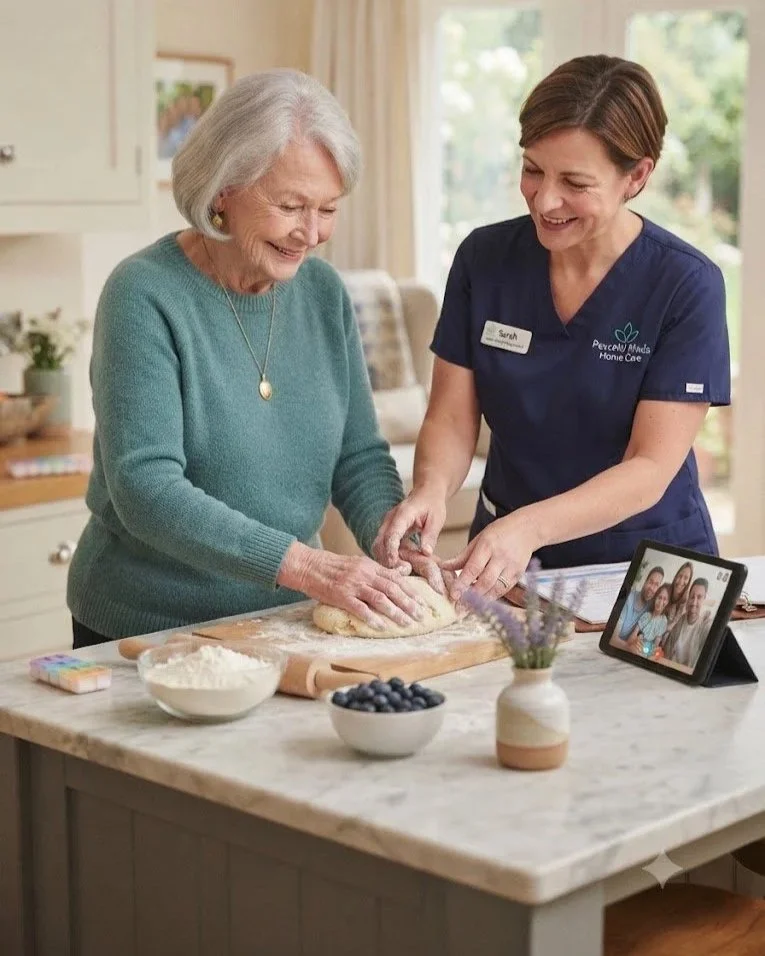
Home care usually means non-medical support at home. A caregiver may help with bathing, dressing, meals, light housekeeping, companionship, transportation, medication reminders, respite care, and daily routines.
Home health means medical or skilled care ordered by a doctor. It may include nursing, physical therapy, occupational therapy, speech therapy, wound care, medication management, or monitoring after an illness, surgery, or hospital stay.
Many families in Citrus Heights, Fair Oaks, and the Greater Sacramento area need one or both types of support. The right choice depends on whether your loved one needs medical treatment, daily living help, or a combination of both.
What Is Non-Medical Home Care?
Non-medical home care helps a person remain safer and more comfortable at home when daily tasks are becoming harder. It does not replace a doctor, nurse, therapist, or medical provider. Instead, it supports the practical parts of daily life.
At Get Care at Home, our non-medical home care services may include help with personal care, meal preparation, light housekeeping, companionship, mobility assistance, transportation to appointments, respite for family caregivers, and dementia support.
This type of care can be helpful when a loved one is mostly stable medically but needs hands-on help or supervision. For example, they may forget meals, struggle with bathing, feel isolated, need reminders, or be at risk of falling when moving around the home.
The National Institute on Aging explains that older adults living at home may need help with everyday activities such as bathing, dressing, grooming, using the toilet, eating, moving around, chores, meals, and transportation. Their guide to services for older adults living at home is a useful resource for families trying to understand what support may be needed.
What Is Home Health?
Home health is medical care provided in the home. It is usually ordered by a doctor after a change in health, such as surgery, hospitalization, injury, illness, or a decline that requires skilled care.
Home health may include:
Skilled Nursing
A nurse may visit to provide wound care, check vital signs, manage certain medications, teach family members how to follow a care plan, or monitor a medical condition.
Therapy Services
A physical therapist, occupational therapist, or speech therapist may help someone regain strength, improve mobility, recover skills, or address swallowing, speech, or safety concerns.
Short-Term Medical Support
Home health is often temporary. It may be used while someone is recovering or while a medical condition needs active monitoring.
Medicare.gov explains that Medicare may cover certain home health services when a person meets the eligibility requirements, including the need for part-time or intermittent skilled care. Medicare also makes clear that it does not cover 24-hour care at home, home meal delivery, homemaker services unrelated to the care plan, or personal care such as bathing and dressing when that is the only care needed.
That distinction matters. A person may qualify for a nurse or therapist through home health but still need non-medical home care for daily support between visits.
How to Know Which One Your Loved One Needs
A simple way to think about it is this:
If your loved one needs medical treatment, skilled nursing, therapy, wound care, or recovery support ordered by a doctor, ask about home health.
If your loved one needs help getting dressed, bathing, eating, staying safe, keeping a routine, getting to appointments, or giving a family caregiver relief, ask about home care.
Some families need both. For example, after a hospital discharge, a home health nurse may visit a few times a week to monitor healing, while a non-medical caregiver helps with bathing, meals, laundry, transportation, and safe movement around the home.
This can be especially helpful when family members are working, caring for children, managing their own health, or trying to prevent burnout.
Common Signs That Home Care May Be Appropriate
Families often start looking for home care after noticing small changes. These may include skipped meals, poor hygiene, unopened mail, missed appointments, medication confusion, increased falls, loneliness, caregiver stress, or a home that is becoming harder to maintain.
For someone living with memory changes, dementia support may also help preserve routines and reduce confusion. Non-medical caregivers can assist with familiar daily activities, supervision, meal reminders, companionship, and calm redirection. Medical concerns, new confusion, sudden behavior changes, or rapid decline should always be discussed with a doctor.
Common Signs That Home Health May Be Appropriate
Home health may be appropriate after a hospitalization, surgery, fall, stroke, new diagnosis, medication change, wound, or noticeable decline in strength or mobility. It may also be needed when a doctor wants skilled monitoring or therapy at home.
If you are unsure, start with the medical provider. Ask whether your loved one needs skilled home health services and whether an order can be placed. Then consider whether daily non-medical support is also needed.
Why the Difference Matters
Understanding the difference can save families time, money, and frustration.
Home health is medical and must meet specific coverage and eligibility rules. Home care is non-medical and focuses on day-to-day support, comfort, safety, and consistency. One is not better than the other. They serve different purposes.
The National Institute on Aging also notes that many people pay for long-term care through personal funds, insurance, government programs, or a mix of resources. Their page on paying for long-term care can help families understand broader payment options.
Getting the Right Support at Home
If your loved one needs medical treatment, speak with their doctor about home health. If they need help with daily routines, personal care, companionship, respite, or dementia support, non-medical home care may be the better fit.
Get Care at Home supports families in Citrus Heights, Fair Oaks, and the Greater Sacramento area with practical, non-medical care at home. If you are trying to sort out what level of help makes sense, you can request a free care assessment and talk through your loved one’s needs.