TL;DR: If you have noticed memory or behavior changes in someone you love and the specialist appointment is months away, you can act now. Start with the primary care doctor, keep a written record of what you see, ask about other causes that can be treated, and put support in place at home so the person providing care does not burn out.
The wait is real, and it matters
Families are often surprised by how long it takes to see a dementia specialist. In a new white paper on gaps in Alzheimer's care released November 5, 2026, the Pat Summitt Foundation reported that patients can wait nine to 12 months or longer for a specialty appointment. More than half of primary care physicians surveyed in 2020 said their communities did not have enough dementia specialists.
That delay carries more weight than it used to. Newer treatments, including Leqembi and Kisunla, may slow the disease for some people in its early stages, but they require regular infusions, monitoring, and imaging. Whether a person is a candidate is a question only their medical team can answer. A long wait is not a reason to panic. It is a reason to start the process now and to use the waiting time well.
What families may notice
Some forgetfulness is a normal part of aging. The National Institute on Aging offers a clear guide to telling normal forgetfulness apart from more serious memory problems. Signs it lists as worth discussing with a doctor include asking the same questions over and over, getting lost in places that used to be familiar, having trouble following recipes or directions, becoming more confused about time, people, and places, and not taking care of oneself, such as eating poorly, not bathing, or behaving unsafely.
Families usually see these changes first in everyday moments: unopened mail, missed meals, a parent who stops calling friends, or new frustration late in the day. These observations do not diagnose anything, but they are exactly the information a doctor needs.
What you can do while you wait
Start with the primary care doctor
Primary care is usually where an evaluation begins and where a referral to a neurologist or memory specialist comes from. It is also where other possible causes can be checked. According to NIA, memory problems can stem from conditions such as thyroid problems, medication side effects, depression, sleep problems, and low vitamin B12, and these problems usually improve once the condition is treated. When a referral is made, ask the specialist's office whether it keeps a cancellation list.
Keep a written record
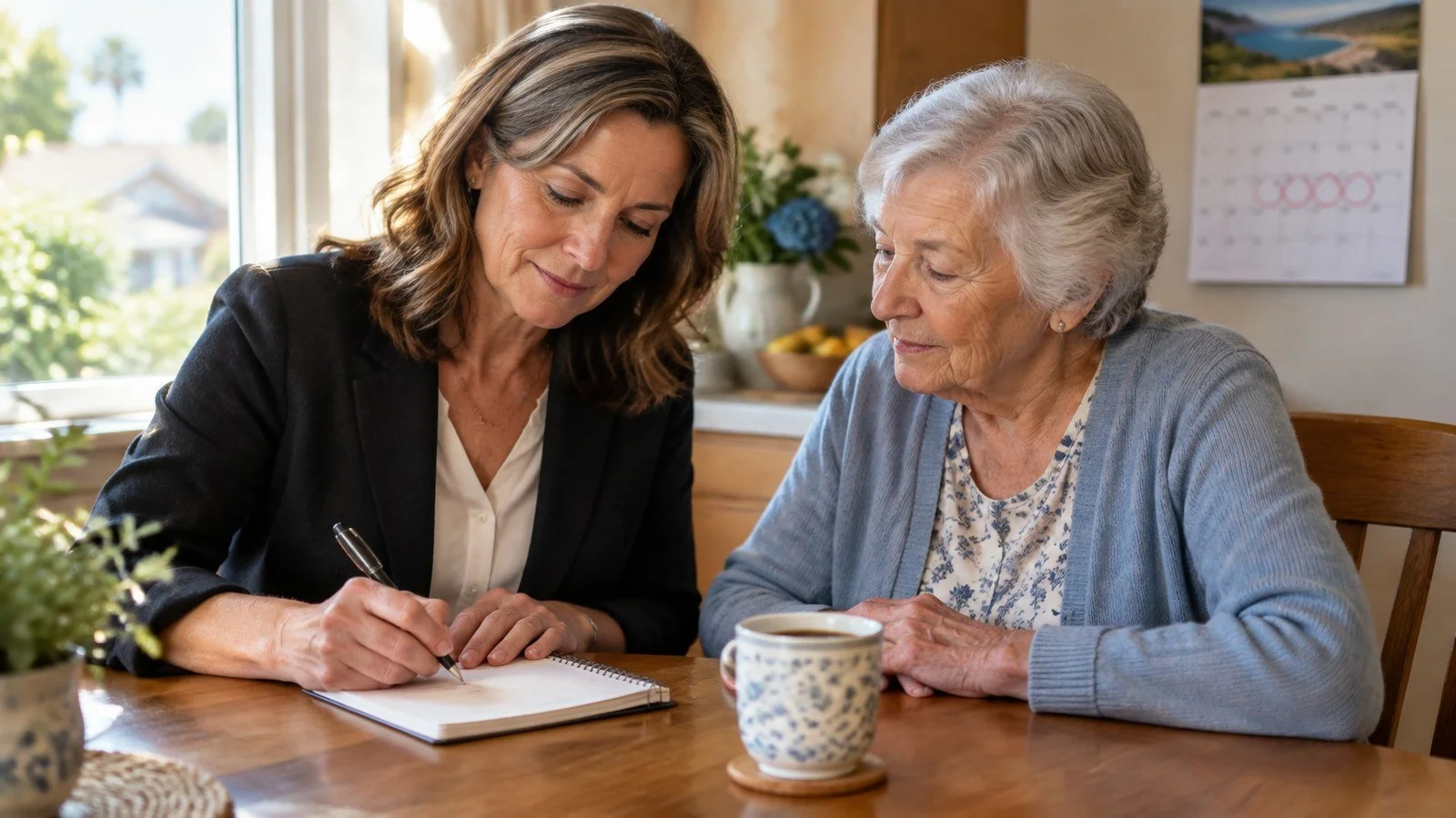
Write down what you notice, with dates: repeated questions, missed medications, changes in sleep or mood, and any trouble with driving, money, or getting around. Bring the notes to every appointment. A short office visit may not show the patterns you see at home, and specific notes help doctors understand what daily life looks like. With your loved one's permission, a family member can also attend appointments to help ask questions and remember the answers.
Get support for the caregiver
The waiting period can be one of the hardest stretches, because the worry is real and the answers have not come yet. Guilt and exhaustion are common at this stage. The Alzheimer's Association 24/7 Helpline is free at 800.272.3900 and can help with care planning, caregiver stress, and finding local programs. In our area, Del Oro Caregiver Resource Center in Citrus Heights also supports family caregivers across the Sacramento region.
If your loved one has Original Medicare, ask about Medicare's GUIDE program. CMS describes the GUIDE Model as providing dementia care coordination, caregiver training and education, and respite services for those who qualify. Our Medicare GUIDE dementia support page explains how Get Care at Home works with GUIDE organizations to help Sacramento-area families understand their options. A GUIDE organization makes the final decision about eligibility.
Where home care fits, and where it does not
Non-medical home care is not a substitute for medical evaluation and treatment. Home care caregivers do not diagnose conditions, prescribe or adjust medications, or provide medical treatment. That work belongs to doctors and medical teams, and the evaluation process should continue on its own track.
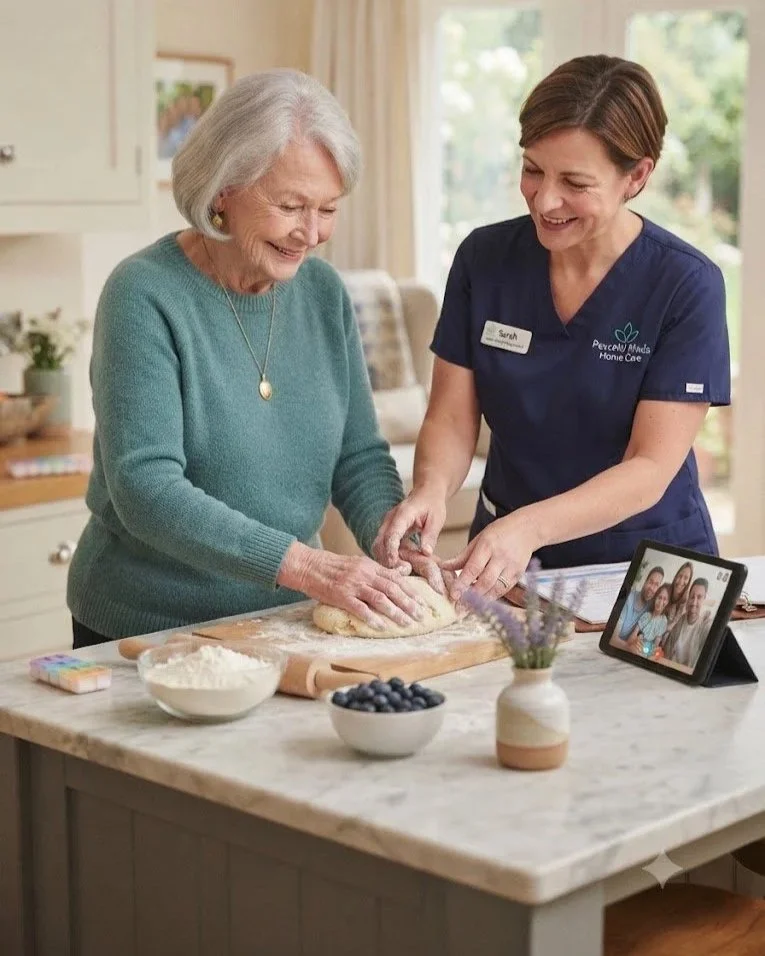
What non-medical home care can do is make daily life steadier while families wait for answers. Get Care at Home's non-medical home care services include companionship, help with bathing and grooming, medication reminders, meal preparation, light housekeeping, mobility assistance, and transportation to appointments. We also provide dementia support built around familiar routines, along with respite so family caregivers can work, rest, or keep their own appointments.
When more support may be appropriate
It may be time to bring in help when safety concerns appear, such as wandering, unsafe cooking, or missed meals; when your loved one lives alone and the changes are becoming harder to manage; when getting to appointments has turned into a struggle; or when the family caregiver is losing sleep, missing work, or feeling worn down. Sudden changes in confusion or behavior are different. Report them to a doctor promptly, because they can signal a medical problem that needs attention, and call 911 in an emergency.
Talk with us about the waiting season
If your family lives in Citrus Heights, Fair Oaks, or elsewhere in the greater Sacramento area and is waiting on answers, a free care assessment is a practical place to start. We will learn about your loved one's routines and preferences and talk through what kind of support would help right now.
With care,
Porsche
Get Care at Home
This article is general information only. It is not medical advice and does not determine eligibility for Medicare or any other program. Talk with your loved one's doctor about symptoms, testing, and treatment.